Strategy & Brand
Why we start with a sitemap, then design, then plan photo and video
Sitemap first makes website projects calmer and more effective. This post explains why we plan structure before design, then plan photo and video around what each page needs. The result is clearer journeys, stronger messaging, and visuals that build trust fast, plus a framework that supports ongoing improvement after launch.

A website that converts is rarely the result of a lucky design mood. It’s usually the result of planning the structure first, then designing pages that support that structure, then creating visuals that fit the pages.
This is the order we use because it keeps everything aligned; message, layout, and content all pulling in the same direction.
If you want the full process view, it’s here: Our process
The sitemap is the strategy, in plain English
A website sitemap is your map of intent. It tells you what pages exist, what each page is for, and how users move through them.
It also stops the classic problem where the homepage tries to do everything, service pages are vague, and the user journey feels like a choose your own adventure book.
Structure first makes the copy sharper
When the sitemap is clear, copy gets easier.
Each page has one job. Headlines become more specific, proof lands in the right places, and you can create landing pages that match campaigns, rather than forcing every visitor through the same funnel.
If you like practical, no waffle documentation, our public docs are a handy reference: Process docs
Design should serve the journey, not the other way round
Design is there to guide attention and build trust. A good layout makes the message easy to get, and the next step easy to take.
Starting with a sitemap means design decisions have context. You’re designing the flow; what people need to see, when they need to see it, and how you reduce friction.
Visual planning works best when every asset has a job
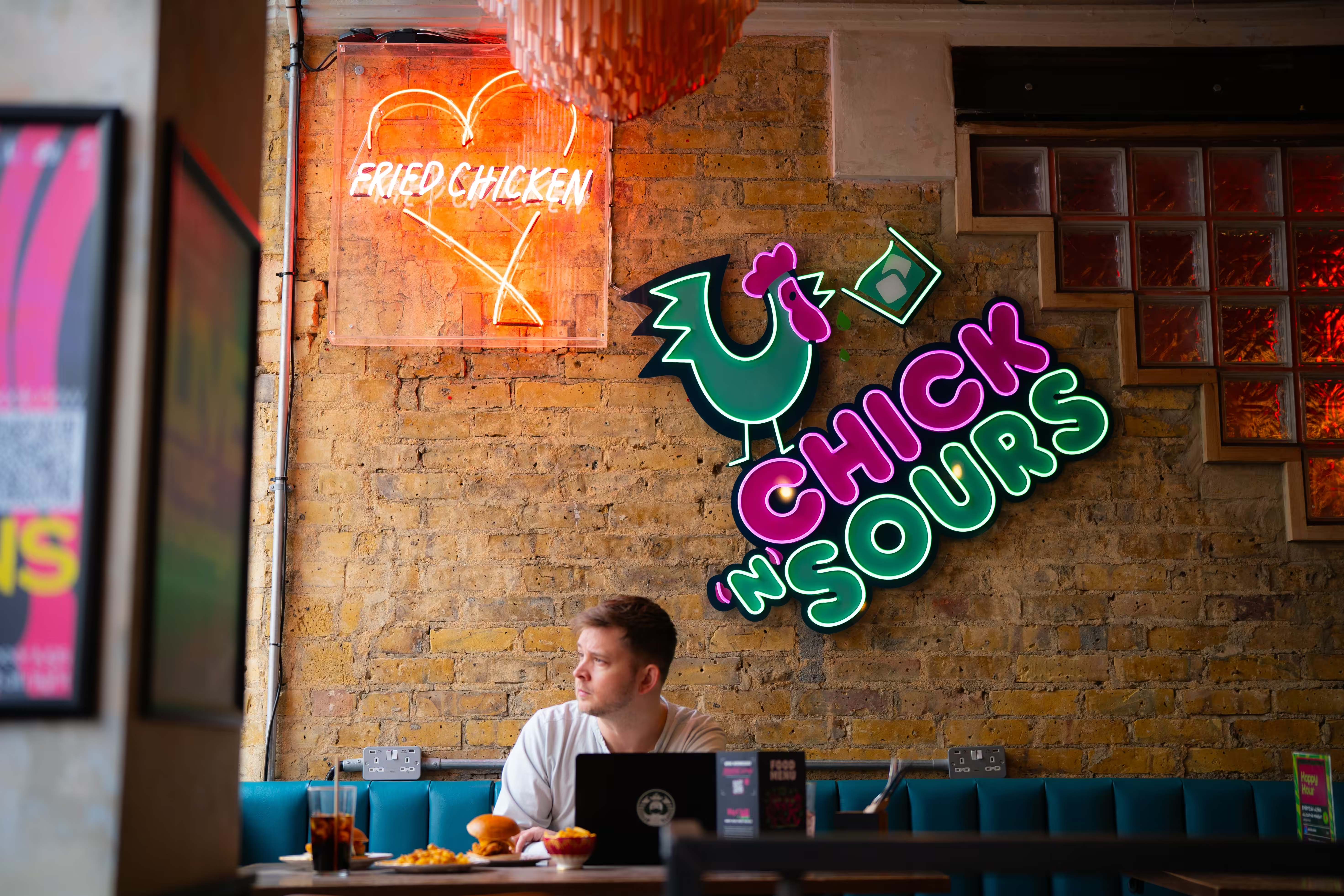
Photo and video do not just make a site prettier. They create connection, prove credibility, and communicate quality in seconds.
Planning visuals after structure and design keeps them useful. You can build a shot list around the pages that need the most trust; homepage, key services, case studies, and any campaign landing pages.
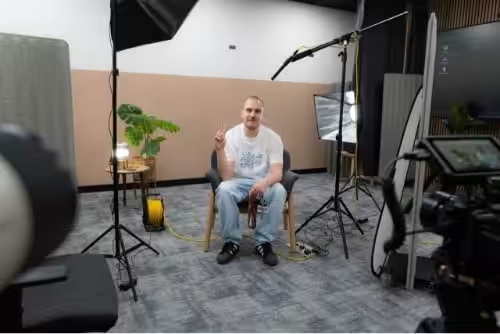
If you want to see how we handle the filming side, start here: Video production
This approach also makes shoots more efficient
When you know what pages you’re building, you can plan what you need to capture.
That means fewer random shots, fewer reshoots, and more usable edits. You end up with assets that work across the site and campaigns, not a folder of beautiful footage you never quite know how to use.
The Works turns this into ongoing momentum
Some teams do this once, then coast. Others want the site to keep evolving alongside marketing.
The Works combines website care with ongoing strategy and delivery; planning, prioritising, and shipping improvements with regular check ins and quarterly reviews. It’s the difference between a launch and a long term growth system.
Plan levels live here: Website maintenance
If this article has been useful, let us know!
We’re a remote studio founded in Hampshire, working across the UK and worldwide. If you want a site built in the right order, sitemap, design, then photo and video planned around what the pages need, book an intro call and we’ll map out the best next step. 😊
Book a free intro call to talk through your needs.