Strategy & Brand
How long does a website take to build?
12 to 16 weeks is the honest average for a bespoke business website. Here's the stage-by-stage breakdown, and the one thing that derails timelines more than anything else.
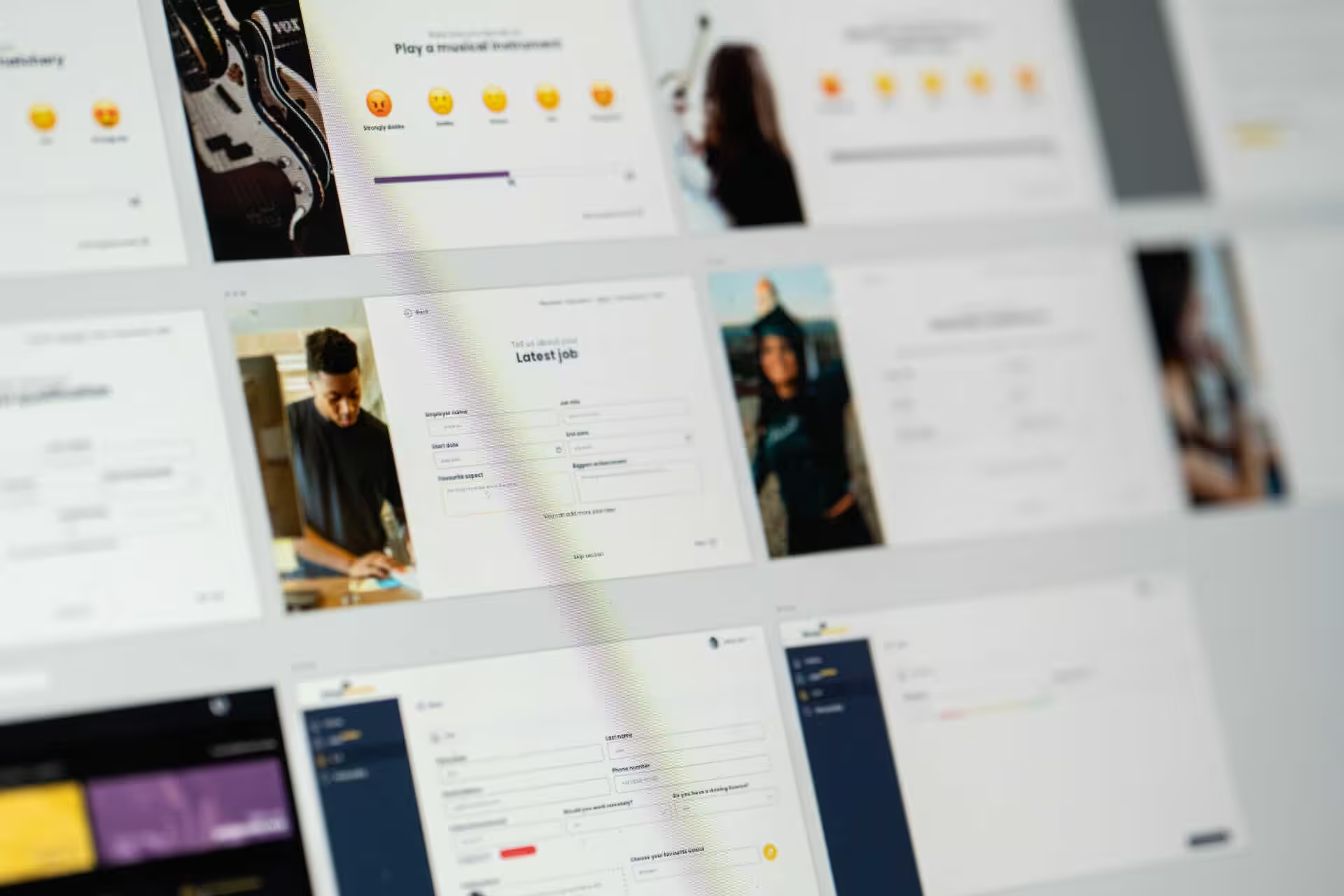
Building a business website usually takes 12 to 16 weeks from the first planning meeting to launch. That covers everything, start to finish.
It can move faster if everything lines up, but most projects hit a few delays. Most of the time, the same issues cause them.
The timeline breaks down into clear stages, each with its own needs and moving parts. Knowing what happens at each point, and where things might slip, helps you plan and set expectations that actually stick.
Key takeaways
- Most business websites take 12 to 16 weeks from kickoff to launch
- Timeline changes based on content readiness, decision-making speed, and how complex the project gets
- Delays almost always come from waiting on client materials, not the development work itself
The standard timeline, week by week
Most service business websites run 15 to 16 weeks, start to launch. That includes discovery, design, development, content work, and testing.
The first two weeks are for discovery. Here, we build the sitemap, map out user journeys, and figure out what the site actually needs to do.
Wireframes come out of this phase. The structure that guides everything else gets set here.
Design takes the next two weeks. We move from wireframes to design mockups.
The UI/UX design gets refined, signed off, and lined up for the build.
Development usually runs for about 10 weeks. Front-end and back-end work happen alongside content population.
Photography, video, and copy all need to arrive in the right order or the build stalls. We set up web hosting, connect Google Analytics, and integrate any systems the site needs.
Testing and review fill the final week. We run usability checks, test on devices, and make sure everything works before launch.
The 10-week development window often surprises people. Most of that time goes to content production, not just code.
What speeds things up
Site size matters. A six-page build with existing photography and written copy can launch in six to eight weeks.
We’ve seen faster turnarounds when the brief is clear and all materials are ready before development starts.
Client decision-making makes a bigger difference than most expect. When one marketing manager signs off, projects finish two to three weeks faster than when every choice goes to a committee.
Keeping the work in-house cuts coordination time. When the photographer, designer, and developer work in the same team, the project moves at the pace of real work, not endless email chains.
DIY website builders and AI website builders speed things up even more. A single-page website or landing page built with a drag-and-drop website builder can go live in days.
These tools work well for smaller builds where template-based design fits. Pre-built themes on WordPress or other platforms can also cut development time, though you get fewer options for customisation compared to a coded build.
What holds things up
Content delays top the list. Copy arrives late or incomplete, images get sorted after the build starts, or video shoots happen whenever someone finds time, not when planned.
We flag this early during onboarding. If the client writes their own copy, we need it before development. If we’re writing, we still need source material from someone with a deadline.
For photo or video work, we book shoots before writing a single line of code.
Feedback is the next slowdown. Clients who comment directly on designs and reply within two working days keep things moving.
When feedback sits for a week or comes back with three conflicting opinions, time slips away and it’s hard to claw back.
Ecommerce websites get hit even harder. Product descriptions need writing, payment gateway integration needs testing, and inventory management systems need connecting.
Each piece relies on the last. Scope creep gets in the way when new features appear mid-build without shifting the schedule.
Responsive design, site speed optimisation, and search engine optimisation take time too. Rushing these affects content quality.
The realistic version
If someone promises a full bespoke build with original content in eight weeks, ask them what they're skipping. That sort of timeline fits smaller projects, especially if you already have copy and images sorted.
Building a proper website usually takes 12 to 16 weeks when content production is part of the job. That includes strategy, user experience planning, design, development, and writing.
Small business sites move faster if the client hands over final copy and images before the project starts. Things slow down when content creation gets pushed to the end.
Most web projects stall during the content phase, waiting for client review or a batch of new photos. The 12-week estimate relies on decisions and feedback arriving on time.
Sixteen weeks is more realistic when you factor in everyday delays that come with running a business and juggling a new website build.
Add us as a preferred source on Google.
If this article has been useful, let us know!
Most of the timeline questions we get asked are really questions about content readiness in disguise. If you've got a project on the horizon and want to talk through how to plan it so it actually ships on time, we're happy to share what we've learned from running a lot of these and what we'd organise differently from the start.
Book a free intro call to talk through your needs.