Strategy & Brand
Website Project Process
From alignment to launch, here's what to expect at each phase of a web project.
In this article
- Before the project
- 1. Kick-off, discovery and brand playbook (weeks 1–3)
- 2. Sitemap (weeks 2–4)
- 3. Copy and design (weeks 3–8)
- 4. Development (weeks 8–14)
- 5. Testing (weeks 14–15)
- 6. Handover and training (as needed, then weeks 14–15)
- 7. Launch (weeks 15–16)
- Timeline overview
- What happens after launch?
- Need a hand with copy?
A full website build usually runs 12–16 weeks. Below is our general process. Some stages overlap, so the site keeps moving while earlier work is being finalised. If you already have some of it in place, such as a brand, messaging or finished designs, we can slot in at whichever point suits you.
Before the project
Discovery call and proposal
Every project starts with a The Discovery Call, a relaxed conversation that we write the proposal from. If the project is complex or technical, we may suggest a Deep Dive first: a paid, workshop-led phase where we work out the technical detail and create a clear brief, so the proposal and price are accurate.
Brand direction
Colour, imagery, photo style and personality shape the design, so the brand works best when it is settled before we start. Brand direction is a separate project. Ideally you come to us with it in place, or we can introduce you to a trusted brand specialist from our network to do it first. Either way, we are happy to help evolve it and feed back on anything you provide.
1. Kick-off, discovery and brand playbook (weeks 1–3)
We confirm the scope and get under the skin of your business and the people your site serves.
✅ Complete our onboarding forms
✅ Join a 60–90 min kick-off call with key stakeholders
✅ Review goals and check the original proposal still fits
✅ Surveys and one-to-one interviews with stakeholders and customers, plus anything you already have
✅ We turn this into a brand playbook covering tone of voice and messaging, which guides all the copy we write for you
🚩 Red flag radar: unclear responsibilities, surprise stakeholders, or shifting goals. We surface it now to keep the project smooth.
🤝 What we need from you: Introduce the stakeholders and customers we should speak to, share any existing research or positioning, and send your priority page list.
2. Sitemap (weeks 2–4)
We map the pages, the sections on each and how they connect. This does the job of wireframes, so we go straight to copy and design once it is agreed.
✅ Sitemap presented, showing the sections on every page
✅ Priority pages agreed, so we know what must be ready first
✅ Review meeting to agree structure before design
🤝 What we need from you: Review the sitemap and confirm which pages are top priority.
🚀 Going live in phases
If you need to be live by a set date, we can launch with the priority pages first, typically home and contact as a minimum, and carry on building the rest afterwards. Going live isn't the end of the project, the live date simply moves forward and the remaining pages follow as later stages. We can also design with placeholder imagery from your mood boards and swap in illustration and photography later.
3. Copy and design (weeks 3–8)
We write the copy for each page from the sitemap sections, guided by your brand playbook, then design the page around it. You see realistic content in place from the start rather than placeholder text. Home and key pages come first, then the rest follow the same system.
✅ Homepage and key page copy written, then designed with that copy in place
✅ Meeting to review and agree direction before designing more pages
✅ Remaining page templates designed to the same system
✅ Feedback expected within a week to keep the schedule on track
✅ Invoice #2 (25%) triggered at design sign-off
🤝 What we need from you: Consolidated feedback on designs and copy, and prompt approval of design direction.
4. Development (weeks 8–14)
We build mobile-first, standards-compliant and easy to manage, on a private staging link you can open at any point.
✅ Site built on a private staging link (e.g. clientname.rubberduckers.site)
✅ Feedback given with our click-and-comment tool, directly on the page
✅ We carry on the same copy process for each page as we build it
✅ This is the easiest time to edit copy, because you see it in situ. We usually get it 95% of the way there, and you polish it
✅ Photography and video usually run alongside development, so everything is ready to come together
🤝 What we need from you: Comment on the staging site as it develops, polish the copy, and supply any remaining content such as testimonials, case studies and team bios.
5. Testing (weeks 14–15)
✅ Testing across browsers, speed and every form on the site
✅ Final tweaks and checks made on staging
🤝 What we need from you: Do a final check of key pages and journeys on staging.
6. Handover and training (as needed, then weeks 14–15)
If you need to do anything on the site during the project, such as populating content or data, we show you how before you start. Before launch we run a formal handover training session, recorded so you can look back at it. More detail in our Handover & Training guide.
✅ Training whenever you need to be hands-on during the project
✅ 60–90 min recorded handover session (can be for multiple people)
✅ Final invoice (25%) at handover
🤝 What we need from you: Attend the handover session with anyone who will manage the site.
7. Launch (weeks 15–16)
We agree a launch date, move the site to live hosting, switch the DNS records from your current site and monitor after go-live. More detail in our Launch guide.
✅ Launch date agreed together
✅ Domain access confirmed for DNS updates
✅ DNS switched from your current site
✅ Post-launch checks: forms, links, performance and integrations
🤝 What we need from you: Confirm who manages your domain, and keep the launch date clear of last-minute changes.
Timeline overview
Most sites are delivered in 12–16 weeks:
- Weeks 1–3: Kick-off, discovery and brand playbook
- Weeks 2–4: Sitemap
- Weeks 3–8: Copy and design
- Weeks 8–14: Development
- Weeks 14–15: Testing, handover and training
- Weeks 15–16: Launch
What happens after launch?
For 30 days after launch, we fix anything that is our own doing at no extra cost. After that, you’re covered by your care plan (see our aftercare plans), or can use ad hoc support as needed. If you want the site to keep improving, Growth Partner is our ongoing strategy retainer.
Need a hand with copy?
Most clients choose our assisted copy, so you don’t have to write everything yourself or pay for a copywriter, though we always recommend considering one. There are three routes:
- Client-led: Free but time-consuming
- Assisted copy: Fast, collaborative and budget-friendly (we write from your playbook, you polish)
- Pro copywriter: Best quality, higher cost (£3–5k range)
Find out more in our Copywriting guide.
We worked with Rubber Duckers to make our athletics club website the best of the best and they did a superb job.
Chris & Ross listened to our requirements and translated them into something we could not have imagined ourselves. They even redesigned our club logo which now features on our club kit.
I can highly recommend this team.
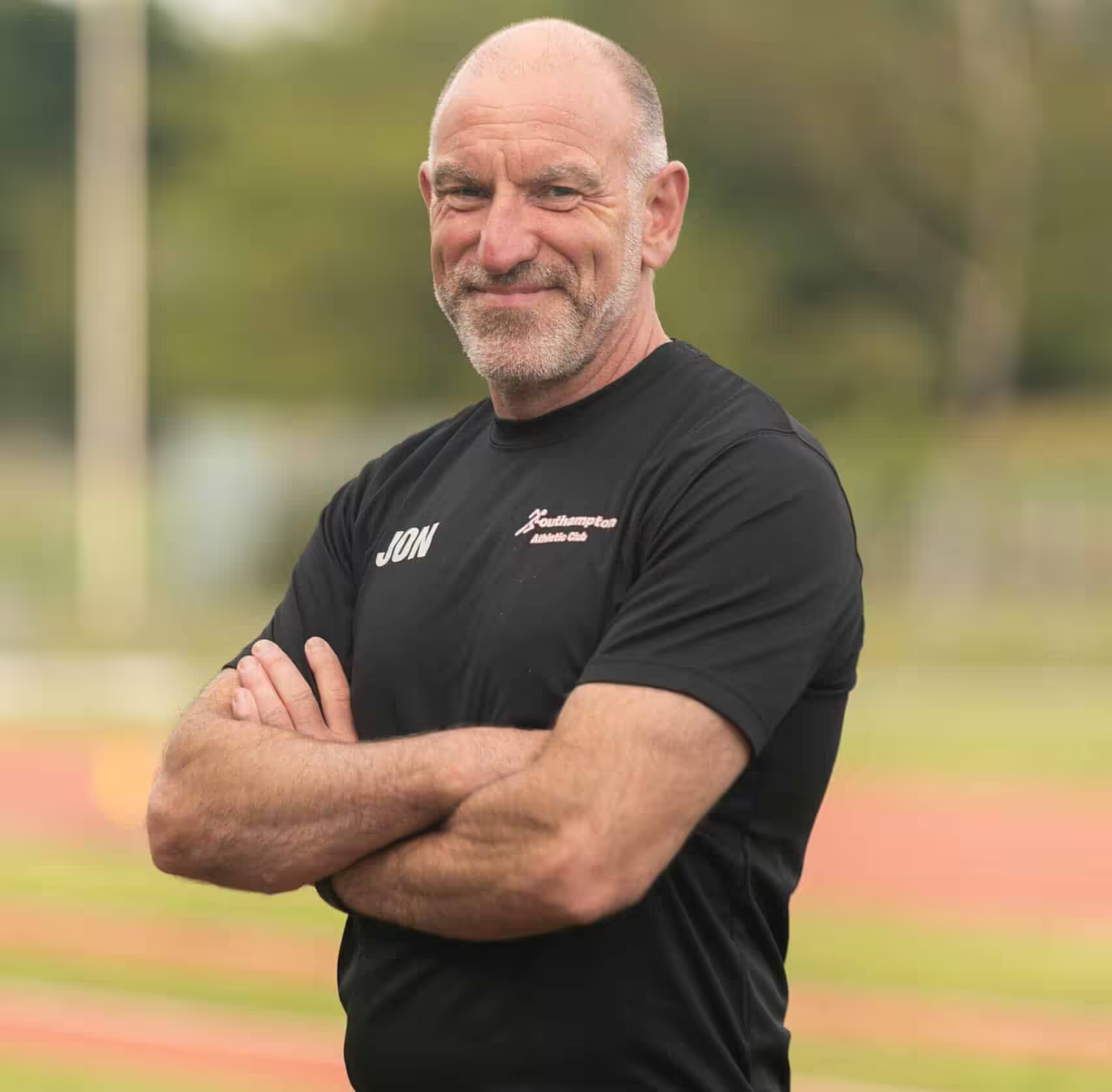
Jon Tilt
Coach Southampton Athletic Club
, Southampton Athletic Club
Getting Started
The Project Lifecycle
Launch & Aftercare
General Policies & Guides